
Conductivity refers to the ability of a material to conduct electricity. In the case of water, its ability to conduct electricity is caused by dissolved salts and minerals. The purer the water, the lower its conductivity as conductivity changes with the change in concentration of dissolved material.
Water conductivity is typically measured in microsiemens per centimeter (µS/cm), and it is used in various fields such as water quality testing, environmental monitoring, and industrial processes. It helps indicate the level of dissolved solids or potential contaminants in water, and is often linked to the water’s salinity, hardness, and purity.
Water conductivity is typically measured in microsiemens per centimeter (µS/cm), and it is used in various fields such as water quality testing, environmental monitoring, and industrial processes. It helps indicate the level of dissolved solids or potential contaminants in water, and is often linked to the water’s salinity, hardness, and purity.
Why measure conductivity of drinking and wastewater?
- Quality Control: Conductivity measurements help ensure that the water meets regulatory standards and is safe for consumption 1.
- Detection of Contaminants: Monitoring conductivity helps in identifying the presence of dissolved solids, which can include contaminants or pollutants 1.
- System Monitoring: Regular conductivity checks help monitor the health of the water distribution system. Issues like leaks, pipe corrosion, or malfunctioning treatment equipment can affect water quality, which conductivity measurements can help detect 2.
- Treatment Efficiency: Conductivity measurements are used to assess the effectiveness of water treatment processes 3. For example, during desalination or filtration, changes in conductivity can indicate whether the treatment is removing impurities as expected.
- Groundwater Health: Global water sources are under increasing strain from high demand. In coastal regions, overextraction of groundwater can cause salt-water intrusion, which risks compromising the future of the water source 4. By monitoring conductivity in these areas the salination of the groundwater can be observed and, with appropriate action, the future of the water sources can be protected.
- Identifying Water Supply Zones: Conductivity can be used to trace water sources in drinking water networks 5. This makes it invaluable for validating hydraulic models and understanding the operation of your network.
Why measure conductivity in freshwater catchments?
- Nutrient Levels: High conductivity often indicates elevated levels of dissolved nutrients, such as salts, minerals, or organic compounds 6. In rivers and ponds, this could result from agricultural runoff, industrial discharges, or natural processes 6–8. High nutrient levels can lead to issues like algal blooms, which may affect water quality and aquatic life.
- Pollution sources: Increased conductivity can signal contamination from sources such as sewage, fertilizers, or pollutants. Monitoring changes in conductivity can help identify and manage pollution sources or track the impact of industrial activities 6,8.
- Seasonal and Environmental Changes: Variations in conductivity can indicate seasonal changes or environmental events. For instance, higher conductivity in the rainy season might be due to increased runoff carrying dissolved solids into the water body.
- Ecosystem Health: Conductivity can be an indicator of overall ecosystem health. Extreme deviations from normal conductivity ranges can affect aquatic organisms and the balance of the ecosystem 8.
How can Akubic help?
Our Intellisondes can be adapted to your needs and measure a range of parameters, including conductivity, in a single device. Over the years our conductivity measurements have been used to help detect contamination events, salination of groundwater, and tracking of water sources, among numerous other applications. We have even automated a lot of these, including water source detection, in our Insight platform, to help you get the most out of your data.
If you are interested in measuring conductivity, our Intellisonde products can provide accurate and reliable measurements with flexible deployment options. Contact us to find out how we can help.
If you are interested in measuring conductivity, our Intellisonde products can provide accurate and reliable measurements with flexible deployment options. Contact us to find out how we can help.
References
- Storey, M. V., van der Gaag, B. & Burns, B. P. Advances in on-line drinking water quality monitoring and early warning systems. Water Res. 45, 741–747 (2011).
- Li, M., Liu, Z., Chen, Y. & Hai, Y. Characteristics of iron corrosion scales and water quality variations in drinking water distribution systems of different pipe materials. Water Res. 106, 593–603 (2016).
- Levlin, E. Conductivity measurements for controlling municipal waste-water treatment. in Proceedings of a polish-Swedish-Ukrainian seminar 51–62 (2010).
- Van Engelen, J., Bierkens, M. F. P., Delsman, J. R. & Oude Essink, G. H. P. Factors Determining the Natural Fresh‐Salt Groundwater Distribution in Deltas. Water Resour. Res. 57, e2020WR027290 (2021).
- Mandel, P., Wang, Y., Parre, A., Féliers, C. & Heim, V. Quality zones automatically identified in water distribution networks by applying data clustering methods to conductivity measurements. Water Res. 207, 117716 (2021).
- de Sousa, D. N. R., Mozeto, A. A., Carneiro, R. L. & Fadini, P. S. Electrical conductivity and emerging contaminant as markers of surface freshwater contamination by wastewater. Sci. Total Environ. 484, 19–26 (2014).
- Verma, A. & Pandey, J. Anthropogenic-induced shifts in salinity and nutrient status of two freshwater tropical lakes in India. Lakes Reserv. Sci. Policy Manag. Sustain. Use 22, 310–319 (2017).
- Zhang, Y., Zhao, Q. & Ding, S. The responses of stream fish to the gradient of conductivity: A case study from the Taizi River, China. Aquat. Ecosyst. Health Manag. 22, 171–182 (2019).
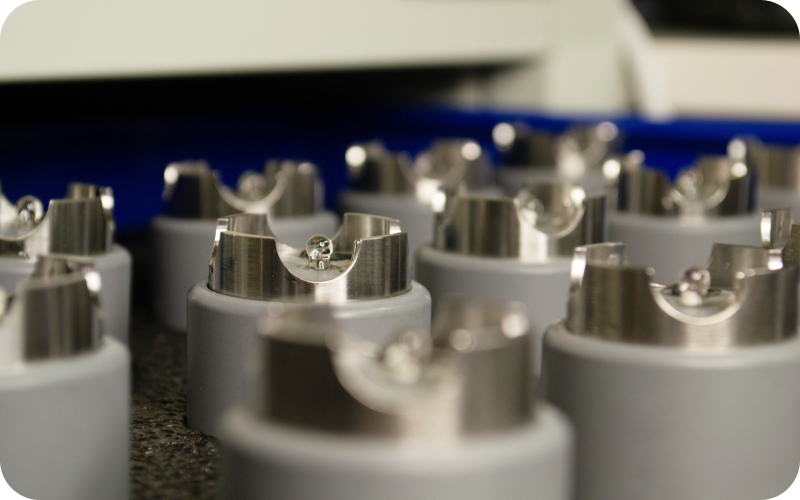
Our Sensors
Take a look at our state of the art Chlorine and Turbidity sensors.
One device. One installation. One maintenance point.
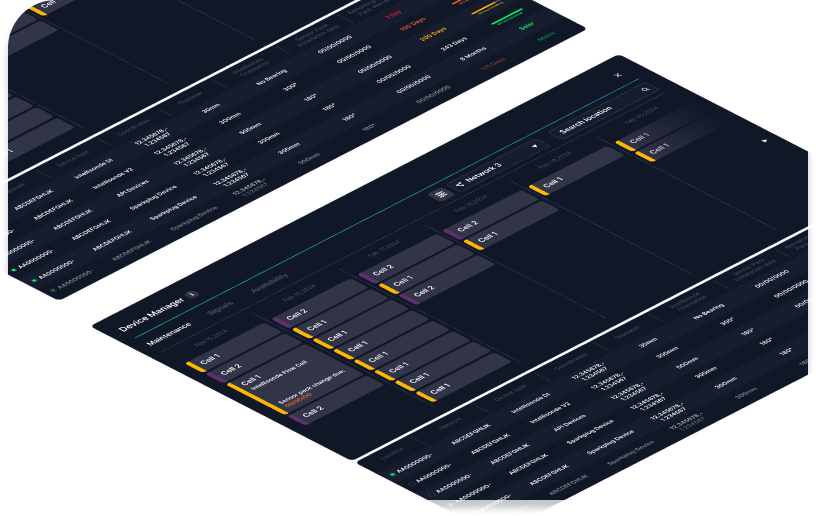
Insight App
The Akubic Insight water network management platform allows users to monitor water quality hotspots, event detection, leakage rates and much more.
Our experience with water
We are committed to supporting our customers deliver safe high quality water and making it available everywhere.